




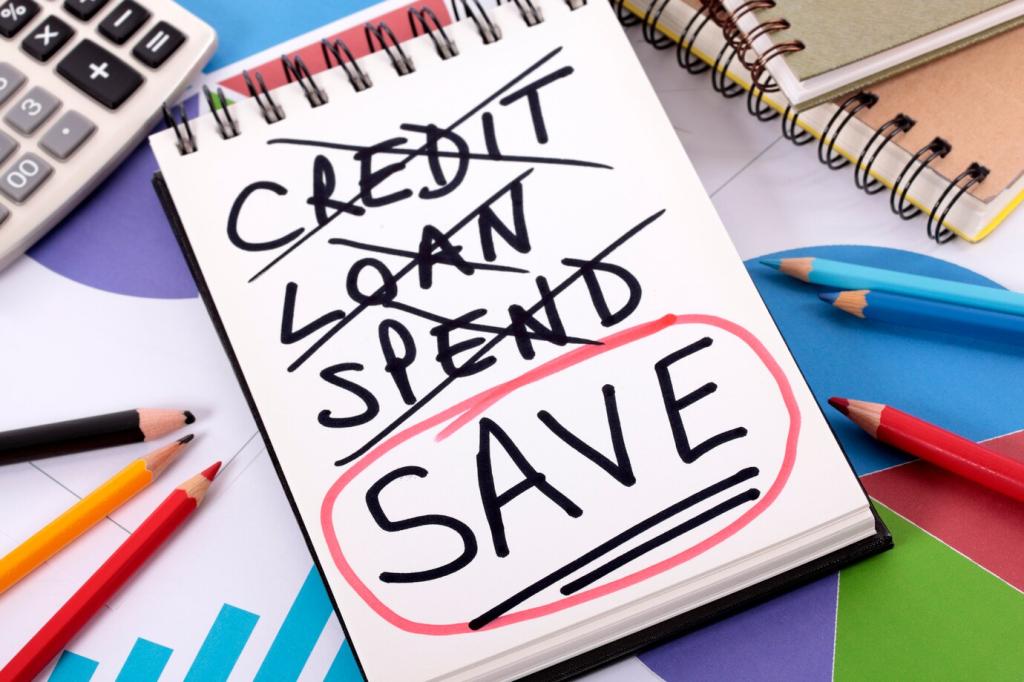

Debt Reduction Strategies for Canadians: A Practical, Hopeful Start

Chosen theme: Debt Reduction Strategies for Canadians. Welcome to a supportive space where Canadian realities meet proven money tactics. Together we will replace overwhelm with clarity, action, and encouragement—so you can pay down debt faster and reclaim your peace. Subscribe for weekly, Canada-specific tips and share your goals so we can cheer you on.

List Every Debt the Canadian Way

Create a single, honest list of all balances: credit cards, lines of credit, car loans, student loans, and any CRA amounts owing. Add interest rates, due dates, minimum payments, and lender contact info. Seeing everything clearly transforms anxiety into action—and helps you decide the smartest next step.

Understand Interest Types and Prime-Linked Rates

Many Canadian loans track the Bank of Canada–influenced prime rate, while most credit cards charge fixed rates around 19–24%. Variable-rate lines of credit can become more expensive during rate hikes. Label each debt as fixed or variable, then prioritize those that swell fastest to protect your cash flow.

Spot Government Supports and Credits

Review government benefits like the GST/HST credit, Canada Child Benefit, and provincial relief programs. Since 2023, federal student loans no longer accrue interest, easing payoff math. Redirect any refund or credit windfalls toward your highest-cost debt to accelerate progress without tightening your day-to-day budget too harshly.

Choose a Payoff Method: Avalanche or Snowball, Canadian Edition

List debts from highest interest rate to lowest, then funnel every extra dollar to the top rate while paying minimums on others. In Canada, that usually targets store cards and general credit cards first. This saves the most money over time, especially when rates rise and every percentage point truly bites.

Choose a Payoff Method: Avalanche or Snowball, Canadian Edition

Order debts from smallest balance to largest and knock out the tiniest first. Quick wins feel incredible, boosting motivation when winter bills spike or life gets busy. Many Canadians stick with their plan longer using this approach because progress is visible fast, and confidence compounds with each elimination.

Cut Costs and Boost Cash Flow Without Burnout

Try a zero-based budget so every dollar gets a job, including debt. Or use 50/30/20 with realistic categories for groceries, transit passes, and utilities. Seasonalize your plan with sinking funds for winter tires, holiday travel, and back-to-school. Consistency beats perfection; adjust monthly and celebrate every forward step.

Cut Costs and Boost Cash Flow Without Burnout

Call your internet and mobile providers to negotiate or switch to a promotion. Consider time-of-use electricity habits if your province uses them. Shop insurance annually, bundle where sensible, and audit subscriptions. A few fifteen-minute calls can free fifty to one hundred dollars monthly—money that can erase interest for good.


Smart Consolidation and Professional Help

If your credit is solid, a lower-rate consolidation loan or line of credit can replace multiple high-rate cards. Lock in if rising rates worry you. Close or freeze old cards to avoid running balances back up. The key: total interest must drop, and your payoff date must become crystal clear.

Smart Consolidation and Professional Help

Non-profit credit counselling agencies can negotiate reduced interest through a Debt Management Program, rolling debts into one payment. Not all creditors participate, and fees may apply, but many Canadians find the structure helpful. Ask questions, request a written plan, and confirm how it affects your credit before you commit.

Mind Your Utilization with Timing Tricks

Keep credit utilization ideally under thirty percent by paying before the statement date, not just the due date. If possible, spread purchases across cards with higher limits. These small timing moves often nudge scores upward, lowering future interest offers and speeding your journey to a life beyond revolving balances.

Monitor Equifax and TransUnion Canada Reports

Pull your credit reports regularly from Equifax and TransUnion Canada, checking for errors or duplicate accounts. Dispute inaccuracies with clear documentation and follow up. Accurate reports mean fairer rates when you refinance or consolidate. Set calendar reminders, and comment below if you want our step-by-step dispute checklist in your inbox.

Emergency Funds and Safety Nets, Canadian Style

A TFSA is an account, not an investment; use a high-interest savings option inside it for liquidity and tax-free interest. Even five hundred to one thousand dollars shields you from small shocks. Automate transfers on payday, and celebrate each milestone by sharing it with us to inspire your neighbours.

Emergency Funds and Safety Nets, Canadian Style

Review tenant or home insurance, disability coverage, and employer benefits. A minor premium today can prevent a major setback tomorrow. If you drive, validate adequate liability and collision coverage. Protection is part of debt reduction because it substitutes predictable costs for devastating, high-interest emergencies when life goes sideways.
Ktodaymoney
Privacy Overview

This website uses cookies so that we can provide you with the best user experience possible. Cookie information is stored in your browser and performs functions such as recognising you when you return to our website and helping our team to understand which sections of the website you find most interesting and useful.